Supplier Disputes Involving Nantong, China
Shipbuilding & marine engineering · High-end textiles · Industrial equipment · New energy · International trade
Contact a China LawyerManufacturing & Trade Landscape in Nantong
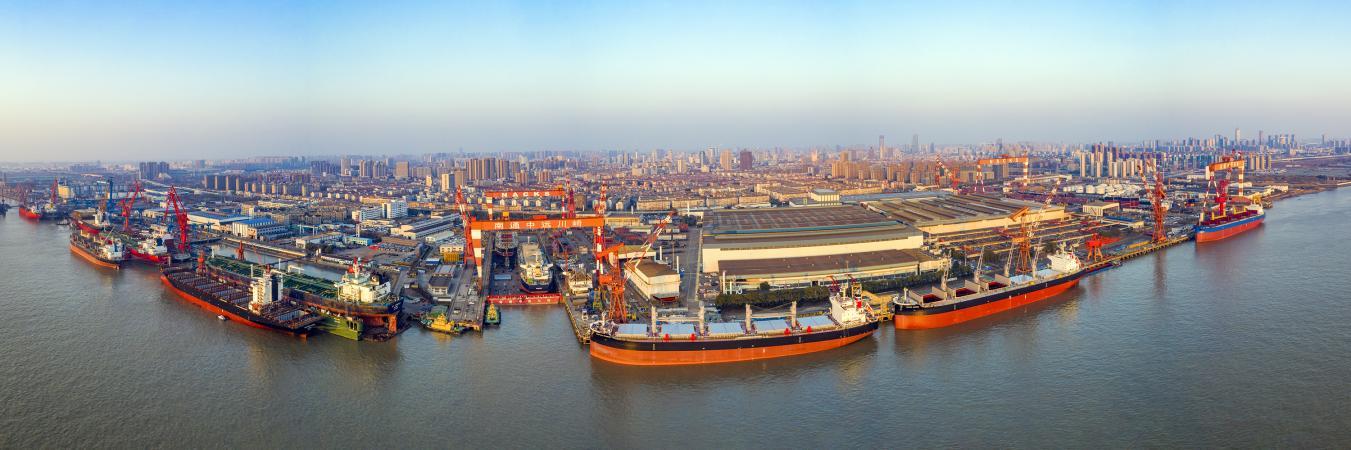
Nantong is one of Jiangsu's major manufacturing and maritime industry centers, with a distinctive industrial economy shaped by its location along the Yangtze River and the Yellow Sea. The city has developed major clusters in shipbuilding and marine engineering, high-end textiles, electronic information, high-end equipment, new materials, and new energy. These industries create a substantial cross-border supply chain involving manufacturers, component suppliers, subcontractors, trading companies, project contractors, and overseas buyers.
Nantong is particularly relevant to foreign companies purchasing ships, marine equipment, offshore engineering products, industrial equipment, wind-power equipment, electrical products, textiles, chemical and advanced materials, and other manufactured goods. The city also has a strong port and river-sea logistics orientation, which means that delivery, inspection, loading, shipping documents, project milestones, and acceptance can be commercially significant parts of a supplier relationship.
The city's shipbuilding and marine engineering sector is especially important. Nantong has developed large shipbuilding and marine equipment clusters in areas including Qidong, Rugao, and Haimen, supported by extensive upstream and downstream suppliers. This creates a different dispute profile from a simple finished-goods purchase: a foreign buyer may be dealing with a main contractor, multiple subcontractors, component manufacturers, classification or inspection requirements, engineering documentation, staged payments, and delivery milestones at the same time.
Nantong's industrial base is also broader than shipbuilding. High-end textiles, electronic information, high-end equipment, new materials, and new energy are major parts of the city's manufacturing system. A dispute may therefore involve OEM production, customized specifications, technical documentation, quality testing, certification, tooling, raw materials, intellectual property, warranty obligations, or long-term supply arrangements.
For overseas buyers, early review is particularly useful where the Chinese counterparty is part of a larger supply chain. Identifying the contracting entity, manufacturer, subcontractor, payment recipient, and relevant project participants can be important before sending a formal demand or commencing legal proceedings in China.
Common Legal Risks in Nantong Supply Chains:
- Shipbuilding & Marine Equipment Contracts: Disputes may involve specifications, equipment supply, project milestones, testing, inspection, delivery, commissioning, or payment.
- Subcontracting & Component Supply: A main supplier may rely on subcontractors or multiple component manufacturers, creating questions about quality control, traceability, delay, and contractual responsibility.
- Quality & Technical Specification Disputes: Buyers may allege that equipment, components, textiles, materials, or other products fail to meet agreed samples, drawings, specifications, standards, or testing requirements.
- Large Deposits & Milestone Payments: Customized industrial and project-based orders can involve substantial advance or staged payments, creating significant exposure when production or delivery stops.
- Delivery, Inspection & Acceptance: Parties may disagree about inspection results, acceptance procedures, partial delivery, shipment dates, commissioning, or whether a product is commercially usable.
- Warranty & After-Sales Obligations: Disputes can concern repair, replacement, spare parts, technical support, performance guarantees, and the supplier's responsibility for defects.
- New Energy & Marine Energy Equipment: Wind-power and other energy-related equipment may involve detailed technical requirements, certification, performance testing, delivery milestones, and project coordination.
- Counterparty & Payment Issues: The manufacturer, trading company, project contractor, and payment recipient may be different entities, requiring careful identification of the party responsible for the breach and recovery.
If your company is facing a Nantong supplier dispute involving a shipyard, marine equipment manufacturer, industrial supplier, textile producer, new energy company, or other Chinese counterparty, early legal intervention can help preserve evidence, identify the correct defendant, and assess practical recovery options in China.
Common Nantong Supplier Disputes
Nantong's combination of maritime manufacturing, heavy industry, advanced equipment, textiles, new materials, and new energy creates a broad range of supplier disputes. For foreign buyers, the most important issues often arise at the intersection of contract terms, technical requirements, production, inspection, logistics, and payment.
Shipbuilding & Marine Equipment
Disputes may involve marine engines, equipment, steel structures, ship components, offshore engineering products, technical specifications, testing, delivery milestones, and project acceptance.
Shipyard Subcontracting & Project Supply
Where several contractors and subcontractors are involved, disputes can concern responsibility for defects, delay, incomplete work, unauthorized subcontracting, payment, and coordination between project participants.
High-End Textiles & OEM Manufacturing
Foreign buyers may face disputes involving fabric specifications, samples, composition, color, performance, production quality, delivery schedules, private-label production, and rejected shipments.
Industrial & High-End Equipment
Equipment disputes can involve customized designs, manufacturing tolerances, installation, commissioning, performance testing, spare parts, maintenance, and warranty obligations.
New Energy & Offshore Equipment
Wind-power and other energy-related supply contracts may involve technical specifications, certification, performance requirements, delivery milestones, project delays, and coordination with construction or installation.
New Materials & Chemical Products
Disputes may concern product composition, technical data, testing, batch consistency, conformity, packaging, delivery, payment, and whether supplied materials are suitable for the buyer's intended application.
Payment, Refund & Non-Delivery
Deposit disputes, production stoppages, delayed shipment, refusal to refund, additional payment demands, and unilateral cancellation can create significant losses for overseas buyers.
Quality, Inspection & Acceptance
Parties may disagree about pre-shipment inspection, factory acceptance testing, loading condition, commissioning, acceptance certificates, or whether defects justify rejection or compensation.
Why Nantong Supplier Disputes Can Be More Complex
In a shipbuilding or industrial project, a supplier's obligation may form only one part of a larger production or construction chain. A delay in one component can affect installation, commissioning, shipment, or the buyer's downstream project. Establishing causation therefore requires more than proving that a delivery date was missed.
Technical evidence can also become important. Depending on the transaction, the relevant record may include drawings, approved samples, inspection reports, factory testing results, production records, material certificates, shipping documents, photographs, commissioning records, and correspondence between the parties' engineers.
Foreign buyers should also distinguish between a manufacturer, shipyard, trading company, project contractor, subcontractor, and payment recipient. The correct legal strategy may depend on which entity signed the contract, which entity received the money, which entity controlled production, and which entity assumed the relevant warranty or performance obligation.
We assist foreign clients with disputes involving manufacturers, shipyards, marine equipment suppliers, textile producers, industrial companies, trading companies, and other businesses in Nantong and surrounding areas, including Qidong, Rugao, Haimen, Tongzhou, Hai'an and the broader Nantong industrial region. We can coordinate supplier investigation, evidence preservation, negotiation, litigation filing, and enforcement without requiring overseas clients to travel to China.
Our Strategic Legal Approach
- Contract, Project & Technical Review: Review contracts, purchase orders, specifications, drawings, approved samples, technical documents, project schedules, inspection requirements, delivery terms, acceptance provisions, payment milestones, warranty clauses, and relevant subcontracting terms.
- Evidence Preservation: Secure contracts, invoices, payment records, production records, inspection reports, photographs, shipping documents, testing data, technical correspondence, WeChat messages, emails, and other evidence before the commercial relationship deteriorates further.
- Supplier & Counterparty Investigation: Identify the contracting entity, manufacturer, shipyard, subcontractor, trading company, payment recipient, and relevant related entities. Review corporate status and available information relevant to liability and recovery.
- Technical & Commercial Liability Analysis: Separate contractual breach from technical non-conformity, project delay, inspection failure, logistics problems, or third-party performance issues. Where necessary, identify the evidence required to establish causation and loss.
- Strategic Negotiation & Legal Pressure: Issue formal attorney demand letters and negotiate for delivery, repair, replacement, refund, compensation, or other practical resolution where a commercial settlement remains realistic.
- Litigation, Arbitration & Asset Preservation: Where necessary, pursue litigation or arbitration and consider property preservation or other procedural measures to protect recoverable assets.
- Judgment Enforcement & Recovery: After obtaining a judgment or enforceable settlement, pursue enforcement, asset tracing, and other recovery measures available under Chinese law.
Frequently Asked Questions
Common legal inquiries regarding Nantong manufacturers, shipyards, marine equipment suppliers, industrial equipment, textiles, new energy products, payment disputes, contract enforcement, and cross-border commercial litigation.
If you are dealing with a supplier dispute in Nantong, contact us for an initial assessment .
Responsible Lawyers
The following PRC-licensed attorneys are responsible for handling supplier disputes, commercial litigation, debt recovery, and related legal matters involving Nantong-based manufacturers and suppliers.

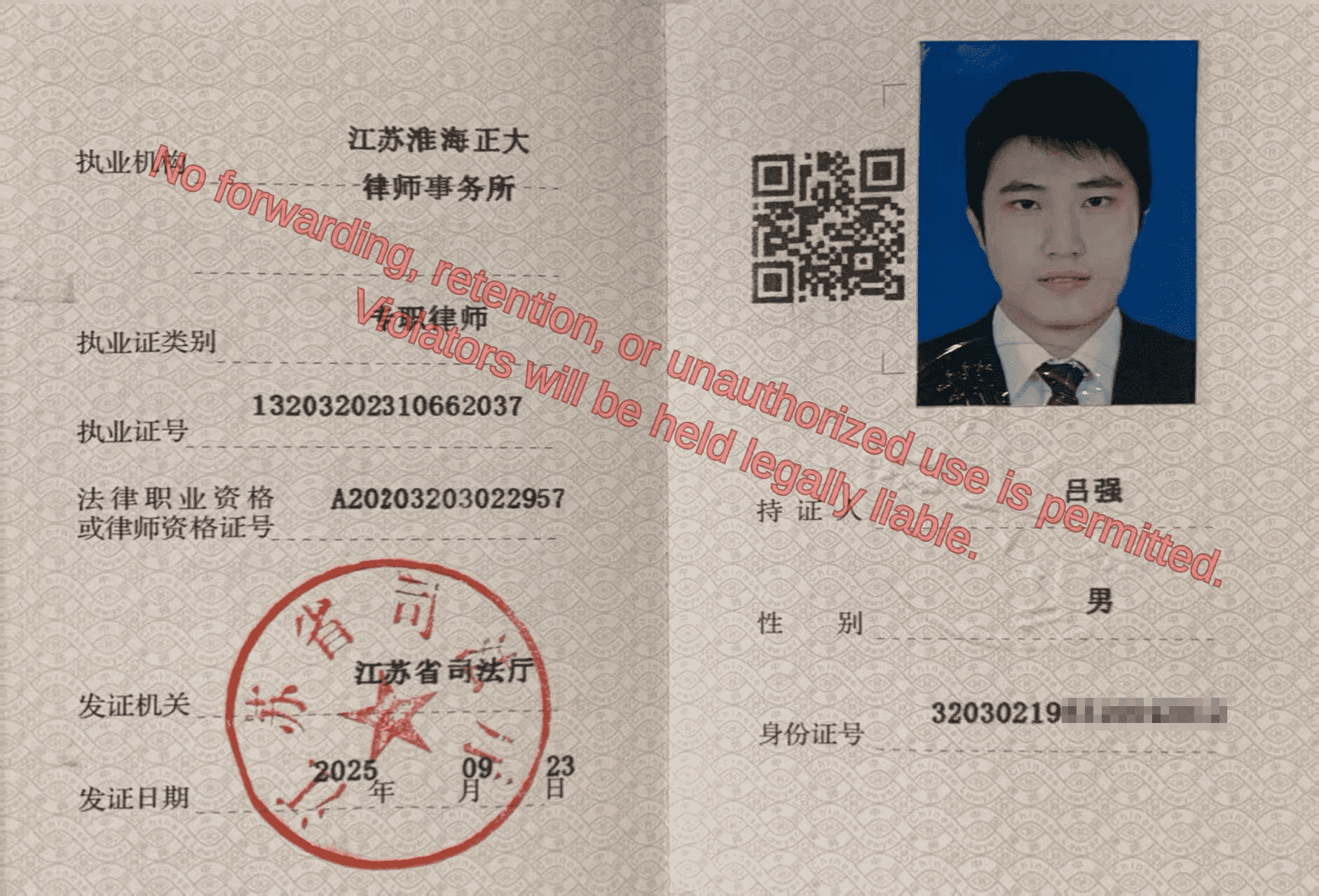
Qiang Lyu
Attorney-at-Law (PRC)
Law Firm: Jiangsu Huaihai Zhengda Law Firm.
Education: B.A., LL.M.
Languages: English · Mandarin Chinese · Japanese

Liang Zhu
Attorney-at-Law (PRC)
Law Firm: Jiangsu Datai Law Frim.
Education: B.S., LL.B.
Languages: English · Mandarin Chinese

Tao Dong
Attorney-at-Law (PRC)
Law Firm: Jiangsu Maotong Law Frim.
Education: B.S., LL.B.
Languages: English · Mandarin Chinese

Ke Yang
Attorney-at-Law (PRC)
Law Firm: Jiangsu Zhilin Law Frim.
Education: LL.B.
Languages: English · Mandarin Chinese