Supplier Disputes Involving Nanjing, China
Advanced manufacturing · Electronics & technology · Automotive & industrial equipment · Cross-border trade
Contact a China LawyerManufacturing & Trade Landscape in Nanjing
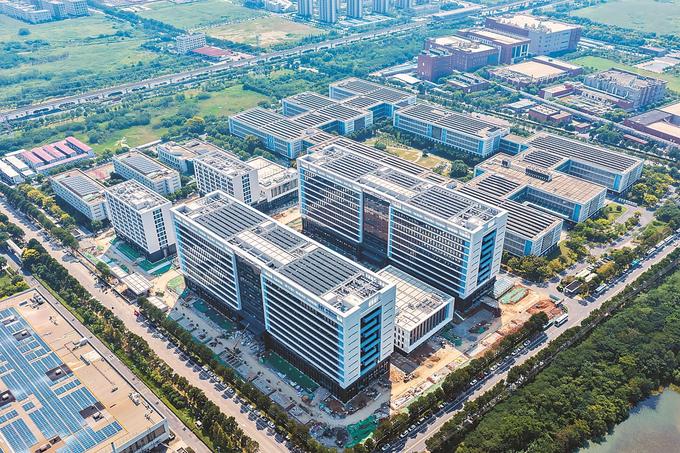
Nanjing is the capital of Jiangsu and one of the province's principal centers for advanced manufacturing, technology, research, logistics, and international business. Its position in the lower Yangtze River region connects industrial suppliers, technology companies, trading businesses, and downstream buyers across Jiangsu and the wider Yangtze River economic corridor.
For international buyers, Nanjing is relevant to electronics and technology products, automotive and industrial equipment, electrical and mechanical products, specialized manufacturing, new-energy related products, medical and scientific equipment, and other higher-value manufactured goods. The local commercial environment can involve direct manufacturers, technology companies, OEM/ODM suppliers, distributors, trading companies, and subcontractors working within the same transaction.
Compared with a transaction involving a purely export-oriented manufacturing city, a Nanjing supplier dispute may involve a broader combination of commercial and technical issues. Contracts can contain detailed product specifications, testing requirements, intellectual property provisions, software or technical documentation obligations, delivery milestones, confidentiality requirements, warranty terms, and restrictions on subcontracting.
Nanjing's role as a regional business and logistics center also means that the Chinese entity receiving payment may not always be the factory that actually manufactured the products. A foreign buyer may be dealing with a manufacturer, a trading company, a group company, or a specialized distributor. Establishing which entity made the contractual promises and which entity actually received the money can therefore be important before pursuing recovery.
If your company is dealing with a Nanjing manufacturer or supplier, an early legal review can help identify the correct Chinese counterparty, preserve technical and commercial evidence, assess contractual remedies, and determine whether negotiation, litigation, arbitration, or asset-preservation measures are appropriate.
Common Legal Risks in Nanjing Supply Chains:
- Product Specification & Quality Disputes: Buyers may allege that delivered products do not conform to agreed specifications, drawings, samples, testing standards, or quality requirements.
- Technology & Documentation Disputes: Transactions involving technical products may include disputes over software, technical documentation, drawings, testing data, or other information required for use of the products.
- OEM & Subcontracting Issues: A supplier may outsource production or components, creating questions about quality control, confidentiality, traceability, and responsibility for defects.
- Large Advance or Milestone Payments: Customized products and industrial orders may require deposits or staged payments before production, creating significant exposure when delivery fails.
- Delivery & Acceptance Disputes: Buyers and suppliers may disagree about inspection, testing, acceptance, partial delivery, delayed shipment, or whether a product was commercially usable.
- Warranty & After-Sales Disputes: Disputes may concern warranty periods, repairs, replacement products, technical support, spare parts, or the supplier's obligation to remedy defects.
- IP & Confidentiality Issues: Manufacturing relationships may involve drawings, designs, specifications, software, trademarks, know-how, or other confidential information that must be protected.
- Contract & Counterparty Issues: The manufacturer, trading company, distributor, and payment recipient may be different entities, complicating identification of the party responsible for the breach.
If your company is facing a Nanjing supplier dispute involving quality defects, delivery failures, payment recovery, technology-related obligations, or contractual breaches, early legal intervention can improve the preservation of evidence and the prospects of effective recovery in China.
Common Nanjing Supplier Disputes
Nanjing's advanced manufacturing and technology-oriented commercial base creates a range of supplier disputes involving industrial products, electronics, technical goods, OEM arrangements, equipment, and longer-term business relationships.
Electronics & Technology Products
Disputes may involve product specifications, testing, technical documentation, software-related obligations, quality failures, delivery schedules, and warranty performance.
Automotive & Industrial Equipment
Foreign buyers may face disputes involving components, machinery, industrial equipment, production requirements, acceptance testing, delivery, and after-sales obligations.
OEM & Contract Manufacturing
Disputes can concern manufacturing specifications, samples, production tolerances, quality control, tooling, subcontracting, confidentiality, and responsibility for defective products.
New Energy & Electrical Products
Transactions may involve technical specifications, performance requirements, testing standards, delivery milestones, certification documents, and warranty obligations.
Payment, Refund & Non-Delivery
Deposit disputes, delayed production, non-delivery, additional payment demands, cancellation disputes, and refusal to refund may create substantial losses for overseas buyers.
Technology, IP & Confidentiality
Manufacturing relationships may involve drawings, designs, technical know-how, software, specifications, trademarks, or other confidential materials that become relevant when the commercial relationship breaks down.
Why Nanjing Supplier Disputes Can Be More Complex
A dispute involving technology-oriented or specialized products may require more than a comparison of invoices and delivery records. The parties may need to examine technical specifications, approved samples, testing protocols, inspection reports, drawings, production records, software or documentation, and the contractual definition of acceptance.
For foreign buyers, it is often useful to separate several questions: what was promised under the contract, which entity made each promise, what was actually manufactured and delivered, whether the buyer accepted the products, whether any defect resulted from manufacturing or use, and which contractual remedy is available.
We assist foreign clients with disputes involving manufacturers, technology companies, trading companies, distributors, and suppliers in Nanjing and surrounding areas of southern Jiangsu, including companies in Jiangning, Jiangbei New Area, Pukou, Qixia, Lishui, and nearby industrial and commercial centers. We can coordinate supplier investigation, evidence preservation, negotiation, litigation filing, and enforcement without requiring overseas clients to travel to China.
Our Strategic Legal Approach
- Transaction, Technical & Contract Review: Review contracts, purchase orders, quotations, approved samples, technical specifications, drawings, testing requirements, delivery terms, acceptance criteria, payment records, warranty provisions, and relevant IP or confidentiality clauses.
- Immediate Evidence Preservation: Secure contracts, purchase orders, specifications, drawings, inspection and testing records, photographs, production evidence, payment records, and electronic communications including WeChat and email correspondence.
- Supplier Investigation & Counterparty Analysis: Verify the Chinese company's registration status, actual commercial role, manufacturing or trading relationship, related entities, operational status, and available asset information to determine both liability and recovery prospects.
- Strategic Negotiation & Legal Pressure: Issue formal attorney demand letters and engage in direct negotiations to seek refund, replacement, delivery, repair, compensation, or other commercial resolution without resorting to litigation where a negotiated outcome is practical.
- Litigation, Arbitration & Asset Preservation: Where necessary, pursue litigation or arbitration and consider property preservation measures to protect recoverable assets before they are dissipated.
- Judgment Enforcement & Debt Collection: Pursue court-ordered enforcement, asset tracing, and other recovery measures to collect amounts due after obtaining a favorable judgment or enforceable settlement.
Frequently Asked Questions
Common legal inquiries regarding Nanjing manufacturers and suppliers, technology-related products, OEM manufacturing, payment disputes, contract enforcement, warranty issues, and cross-border commercial litigation.
If you are dealing with a supplier dispute in Nanjing, contact us for an initial assessment .
Responsible Lawyers
The following PRC-licensed attorneys are responsible for handling supplier disputes, commercial litigation, debt recovery, and related legal matters involving Nanjing-based manufacturers and suppliers.

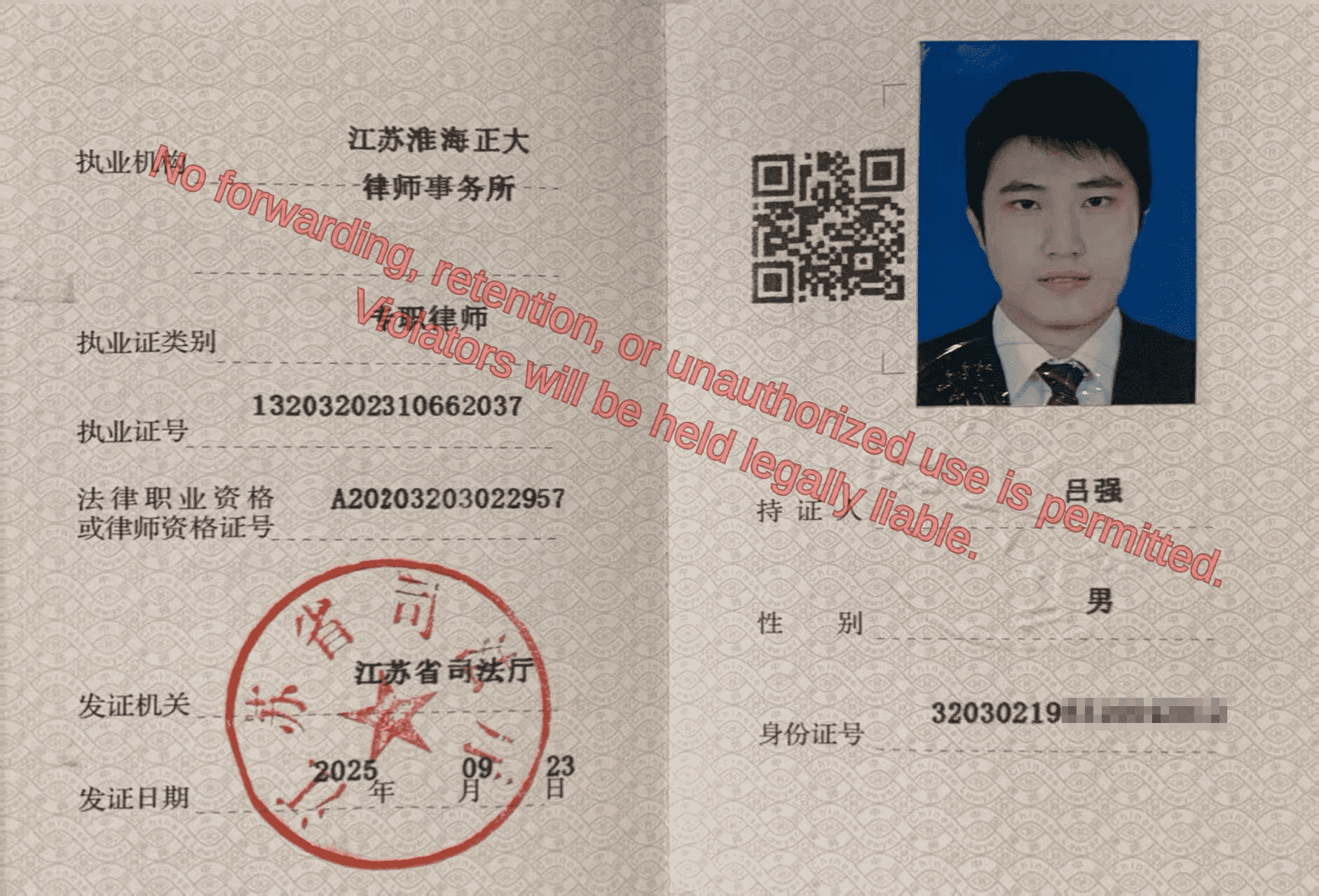
Qiang Lyu
Attorney-at-Law (PRC)
Law Firm: Jiangsu Huaihai Zhengda Law Firm.
Education: B.A., LL.M.
Languages: English · Mandarin Chinese · Japanese

Liang Zhu
Attorney-at-Law (PRC)
Law Firm: Jiangsu Datai Law Frim.
Education: B.S., LL.B.
Languages: English · Mandarin Chinese

Tao Dong
Attorney-at-Law (PRC)
Law Firm: Jiangsu Maotong Law Frim.
Education: B.S., LL.B.
Languages: English · Mandarin Chinese

Ke Yang
Attorney-at-Law (PRC)
Law Firm: Jiangsu Zhilin Law Frim.
Education: LL.B.
Languages: English · Mandarin Chinese